Pella Window RestorationsSummit Window Restoration Group
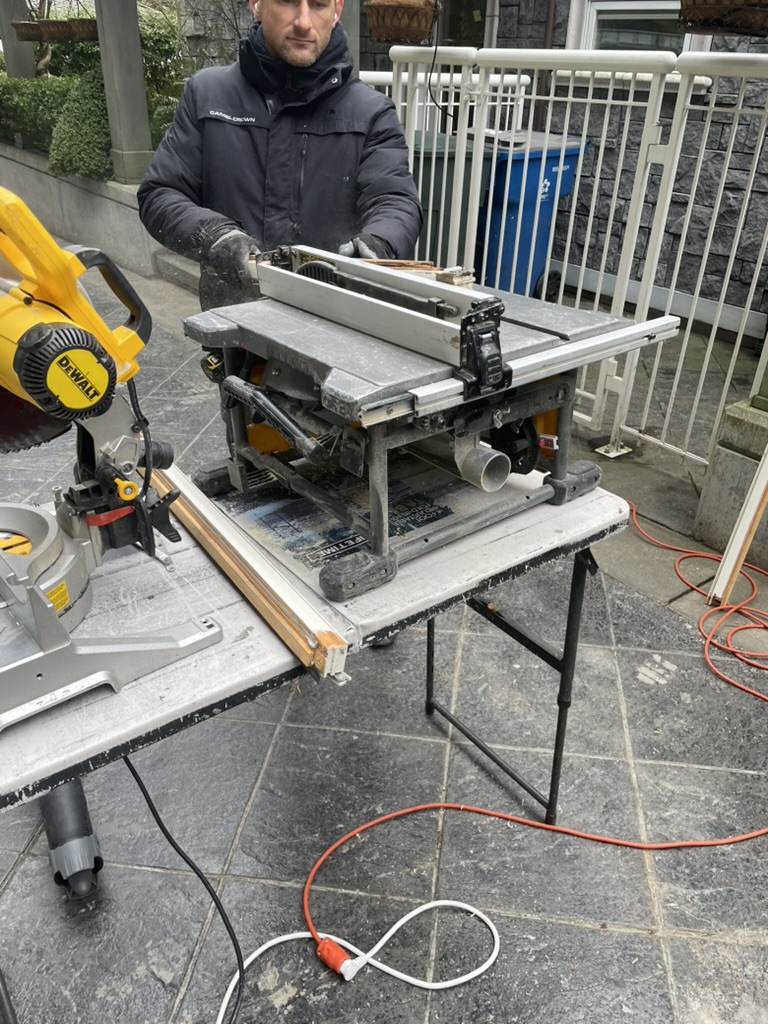
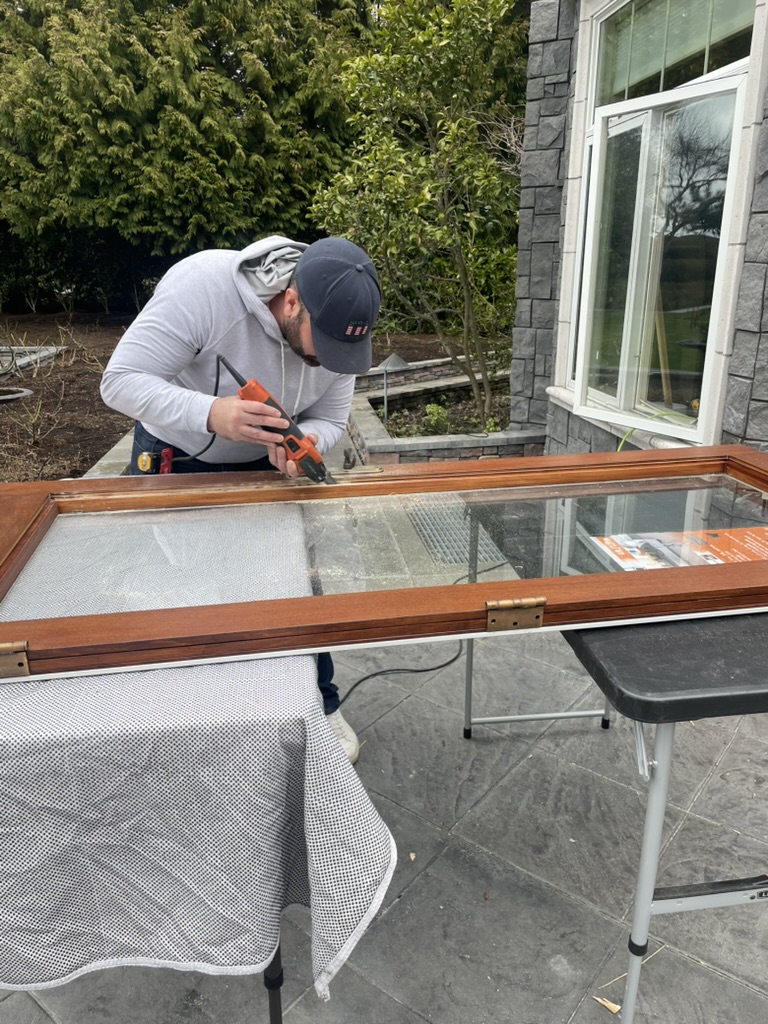
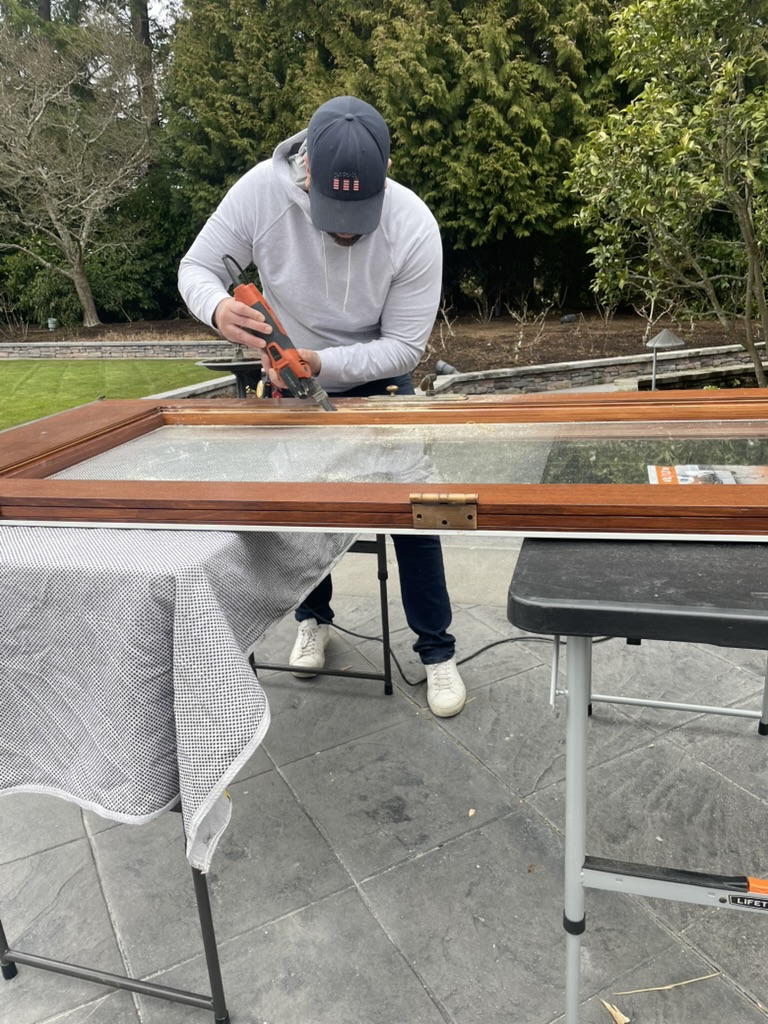
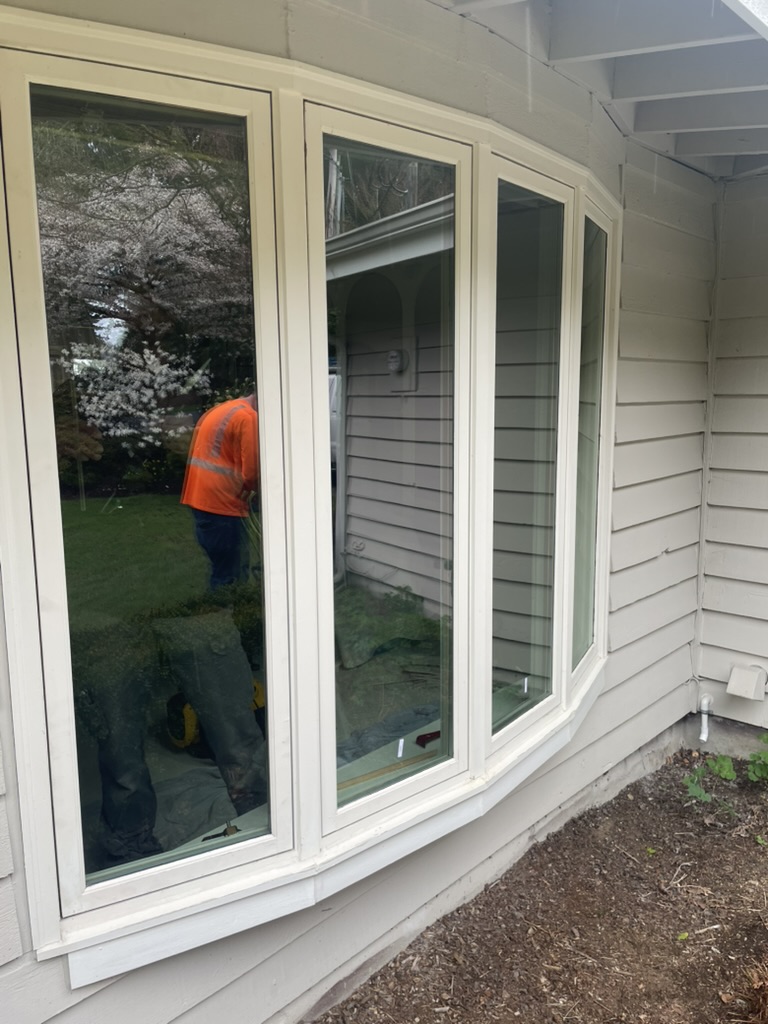
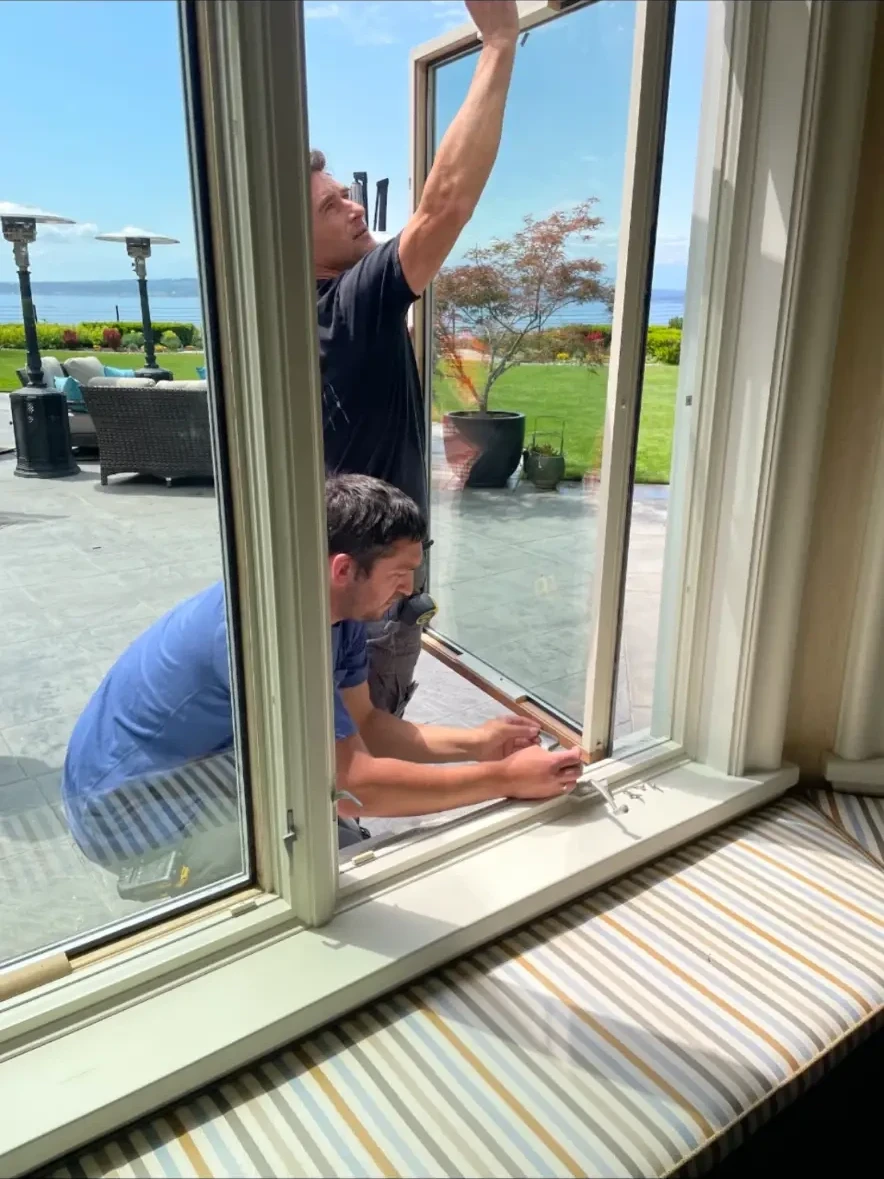
Restoration technicians fitting a restored wood casement sash in an oceanfront home

Preserving craftsmanship. Restoring performance.

Premium Wood Window Restoration Specialists

For more than 20 years we've restored, repaired, and renovated premium wood windows while preserving their original craftsmanship and upgrading them to modern performance standards.

Pella authorized trade partner logo

Authorized Pella Trade Partner

A licensed contractor partner of Pella Corporation — restoring, reglazing, and upgrading Pella® wood window and door assemblies to current performance standards.

20+
Years restoring premium wood windows
6
Species regularly milled in-house
10
Documented steps in every restoration
0
Trim, siding, or drywall disturbed

Why Restore

Replacement is a default, not a conclusion.

The case for restoration is not sentimental. It is material, thermal, and economic — and it holds up under scrutiny more often than the industry admits.

01

The wood is better than what replaces it

Old-growth timber has tighter rings, higher density, and far more heartwood than the fast-growth stock milled today. Removing it is a downgrade in material quality, whatever the brochure says.

02

Only the failed components need replacing

A fogged insulated unit is a glass problem. A soft bottom rail is a rail problem. Neither requires discarding a frame, cutting trim, or disturbing siding and drywall.

03

Environmental arithmetic favors keeping

The embodied carbon in an existing window is already spent. Restoration adds a new glazing package; replacement adds a whole new assembly and sends the old one to landfill.

04

Architectural character is not reproducible

Profiles, sightlines, and proportions were drawn for the building. Stock replacement units change all three, and the change is permanent.

05

Performance is a glazing and seal question

Most of the efficiency gap between an old window and a new one lives in the glass cavity and the weatherstripping — both of which can be upgraded in place.

06

Long-term value compounds

A restored assembly re-enters a maintenance cycle you can manage. A sealed modern unit reaches end of life and starts the whole conversation again.

How Window Restoration Works

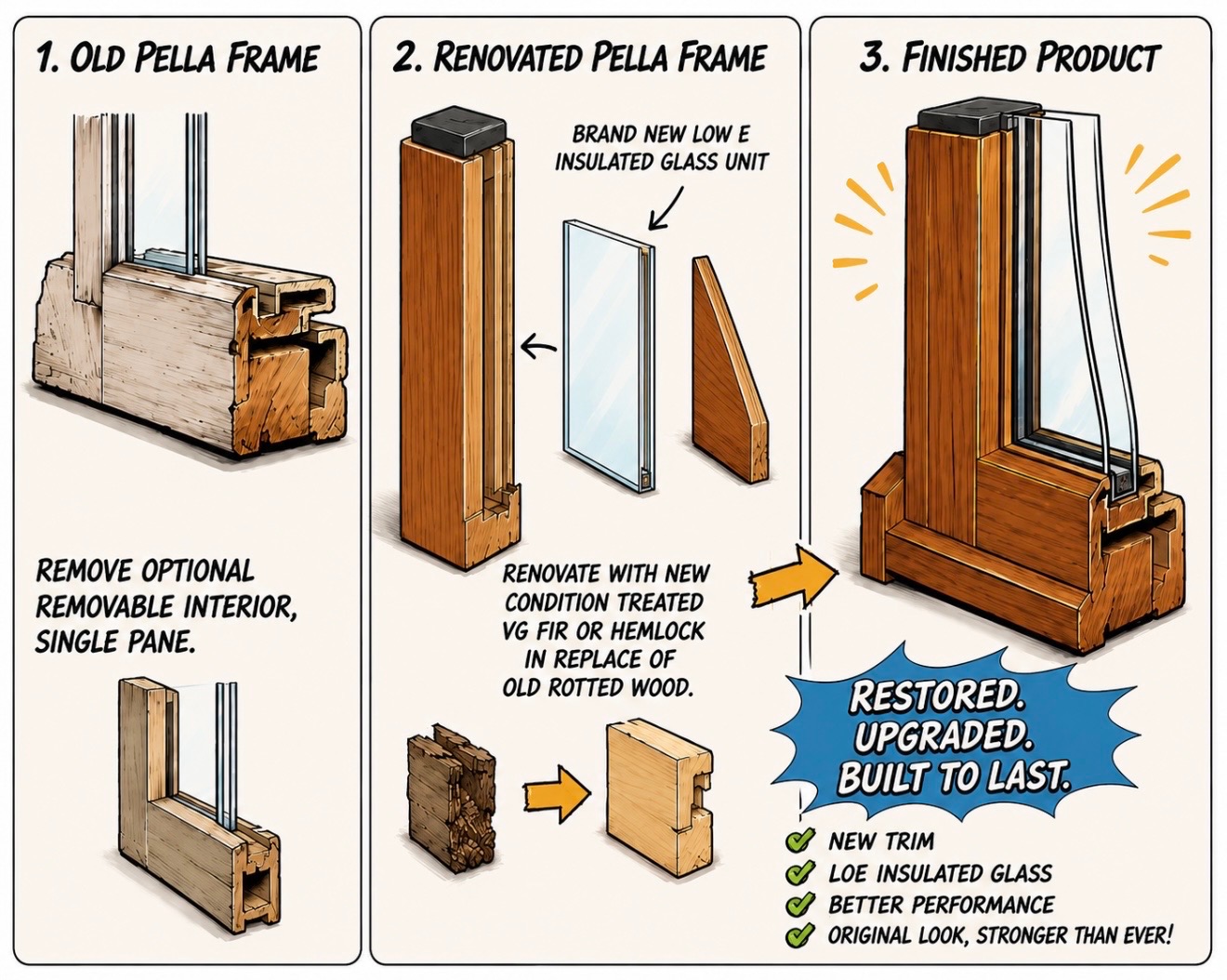
Three states of the same window.

Select a stage to see what is actually happening to the assembly — the failure modes, the shop work, and the result.

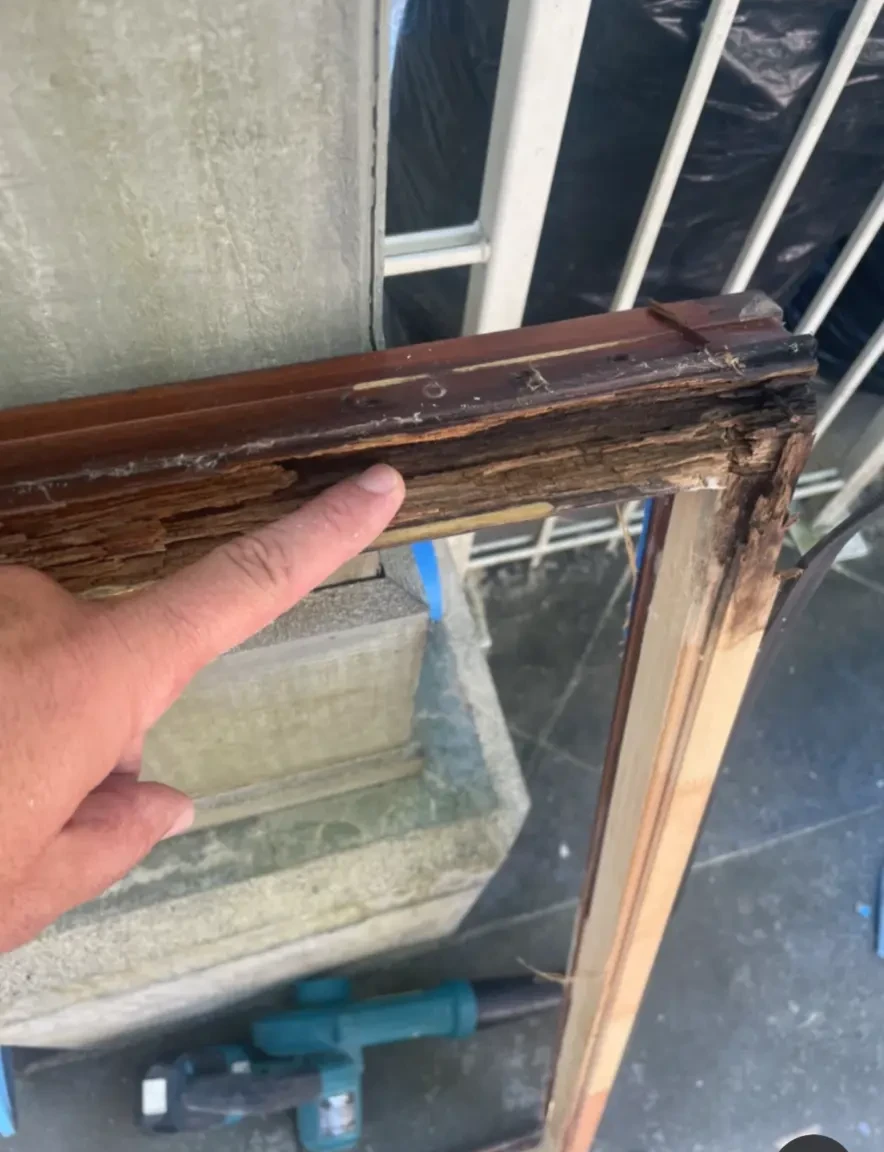
A removed sash showing advanced decay along the bottom railStep 01The Original Frame

What twenty years of weather does to a wood window

Failure rarely starts at the glass. It starts where water sits: the bottom rail, the sill, the joint where the finish film cracked three winters ago. By the time fogging appears, the assembly has usually been telling you something for a while.

Wood decay
Sustained moisture in the rail and sill
Fogged glass
Perimeter seal fatigue in the insulated unit
Failed glazing
Shrunken bedding compound and split bead
Air leaks
Compressed weatherstrip, out-of-adjustment hardware
Single pane
No sealed cavity, no coating, no argon

Before & After

Drag to compare.

The same class of assembly: one at the point of failure, one after restoration. Note that the profile, the sightline, and the proportion are unchanged.

After
Before
BeforeAfter
Left: advanced rail decay on a removed sash. Right: a restored mahogany unit with new insulated glazing.

Film

Watch the craft, not the pitch.

A short film following premium wood windows through the shop — the decay, the milling, the glazing, and the return to the opening.

Paused
Plays automatically when it scrolls into view, muted by default. Unmute for sound.

Interactive Education

Understand the building science before anyone quotes you a number.

Window Types

Every configuration fails differently.

Casements wear at the hardware. Awnings rot at the bottom rail. Double hungs leak at the meeting rail. Restoration scope follows the geometry.

Gallery

Shop, bench, and site.

Our own glass fabrication floor, the failures we are called to assess, and the assemblies after they go back in. Drag or use the arrows to move through the set.

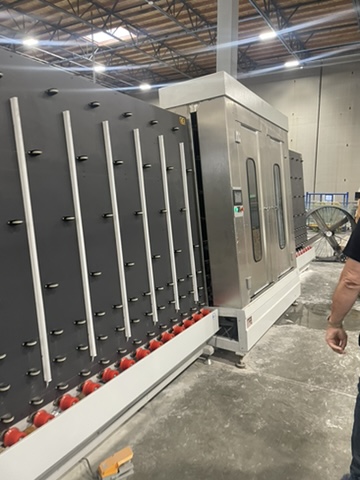
Our insulated glass shop. Lites are racked, washed, and sequenced before assembly so each restored sash receives a unit built to its own measured opening.

Fabrication floor

Our insulated glass shop. Lites are racked, washed, and sequenced before assembly so each restored sash receives a unit built to its own measured opening.

The sealed-unit press. Spacer, desiccant, and primary seal are set here — the components that decide whether a glazing package lasts five years or twenty-five.

Insulated unit line

The sealed-unit press. Spacer, desiccant, and primary seal are set here — the components that decide whether a glazing package lasts five years or twenty-five.

Cutting table and edge grinder. Cutting our own glass is what makes matching a legacy sightline possible instead of approximating it with a stock size.

Cutting and edgework

Cutting table and edge grinder. Cutting our own glass is what makes matching a legacy sightline possible instead of approximating it with a stock size.

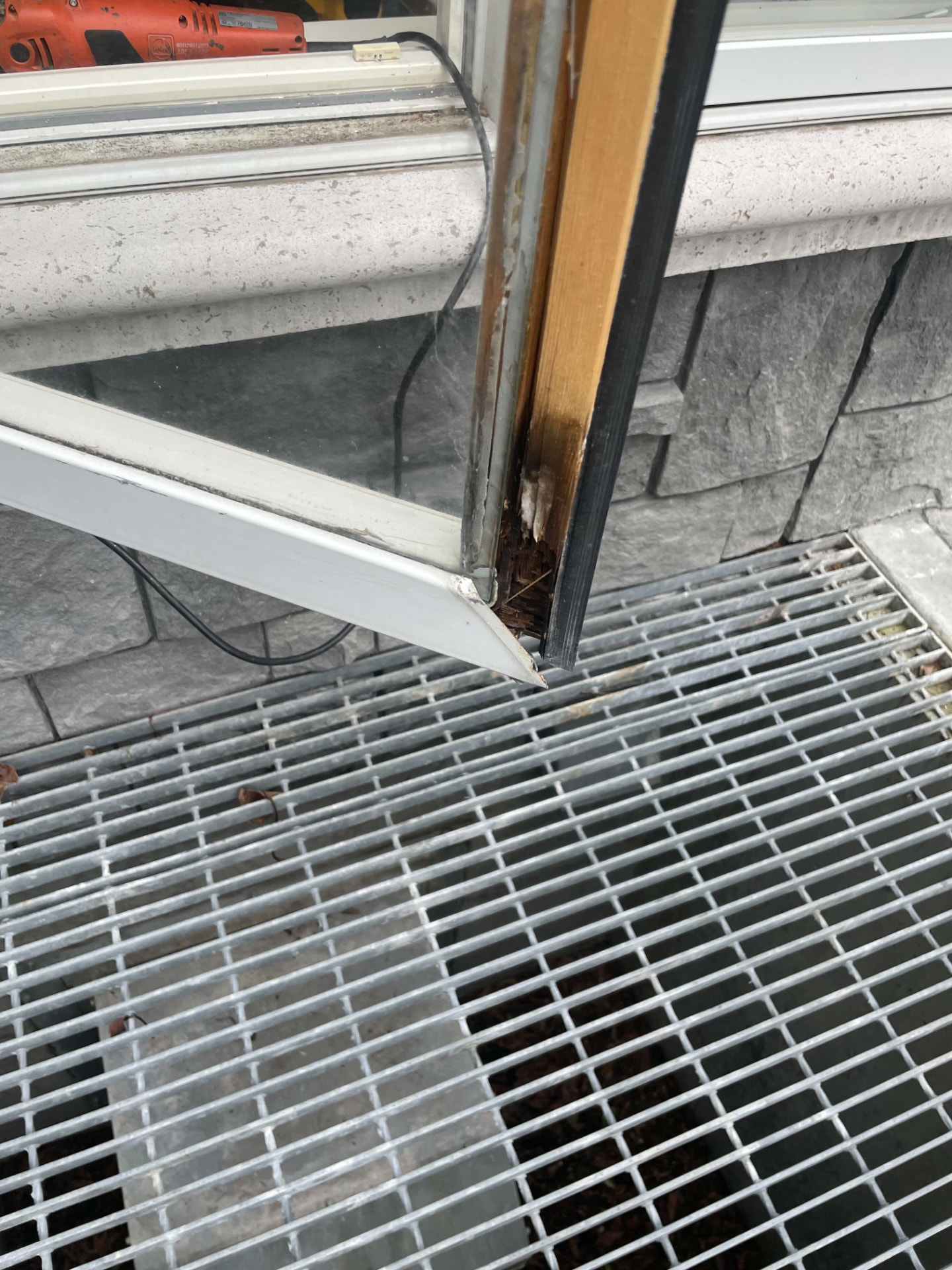
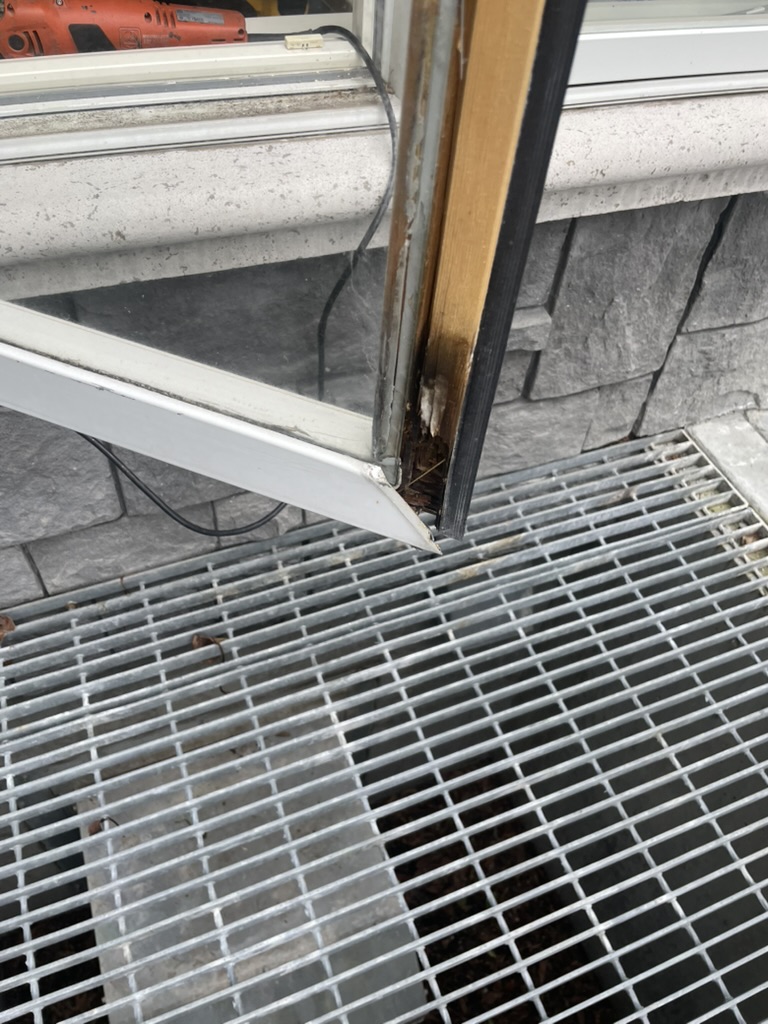
Water tracked behind the cladding and destroyed the pine core at the bottom corner. The glass is fine. This is a joinery repair, not a replacement case.

Corner failure, as found

Water tracked behind the cladding and destroyed the pine core at the bottom corner. The glass is fine. This is a joinery repair, not a replacement case.

Advanced decay along a bottom rail. Sound stock is cut back to clean fiber and new milled timber is scarfed in to the original profile.

Rail decay

Advanced decay along a bottom rail. Sound stock is cut back to clean fiber and new milled timber is scarfed in to the original profile.

The exterior sill after consolidation and refinishing — the member that takes the most standing water and fails first on nearly every elevation.

Exterior sill

The exterior sill after consolidation and refinishing — the member that takes the most standing water and fails first on nearly every elevation.

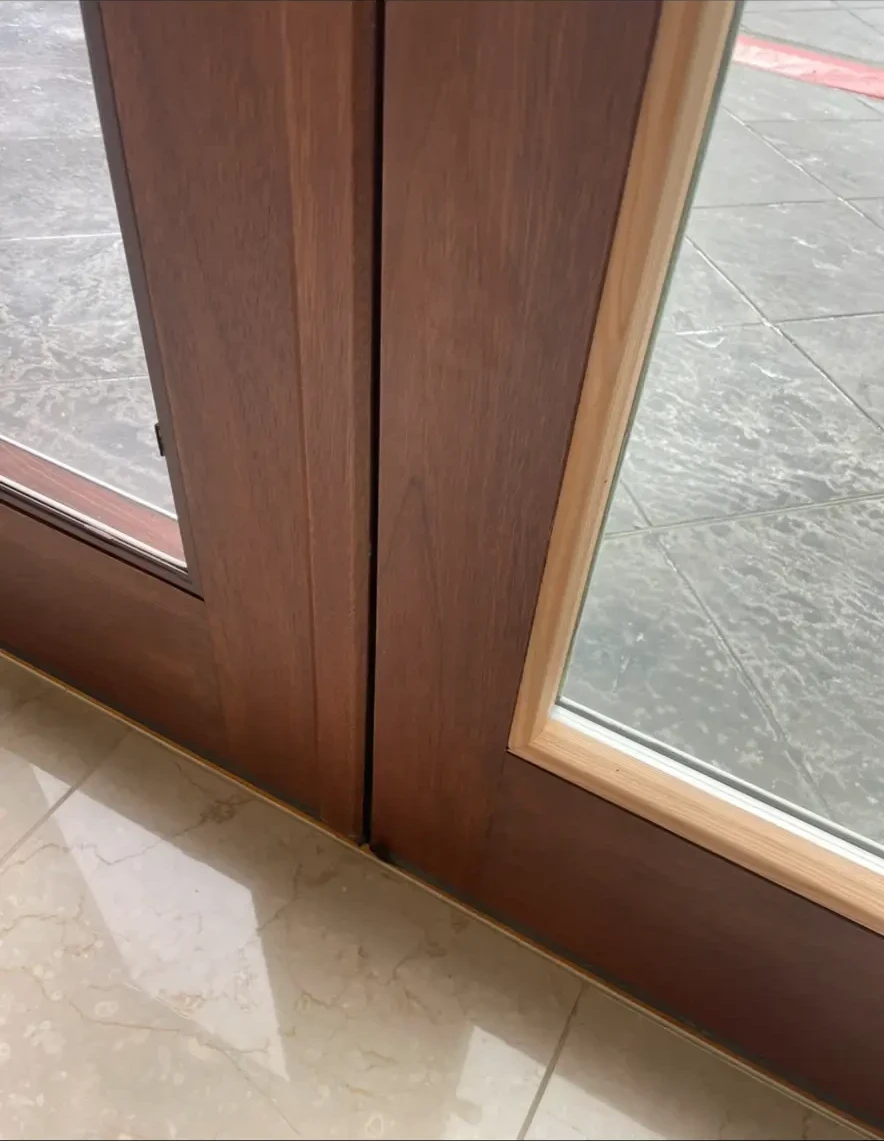
Restored mahogany stile with a new glazing bead line. Crisp, continuous, and dimensionally identical to the bead it replaced.

Glazing bead detail

Restored mahogany stile with a new glazing bead line. Crisp, continuous, and dimensionally identical to the bead it replaced.

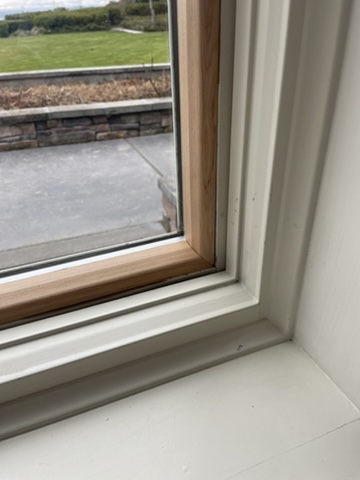
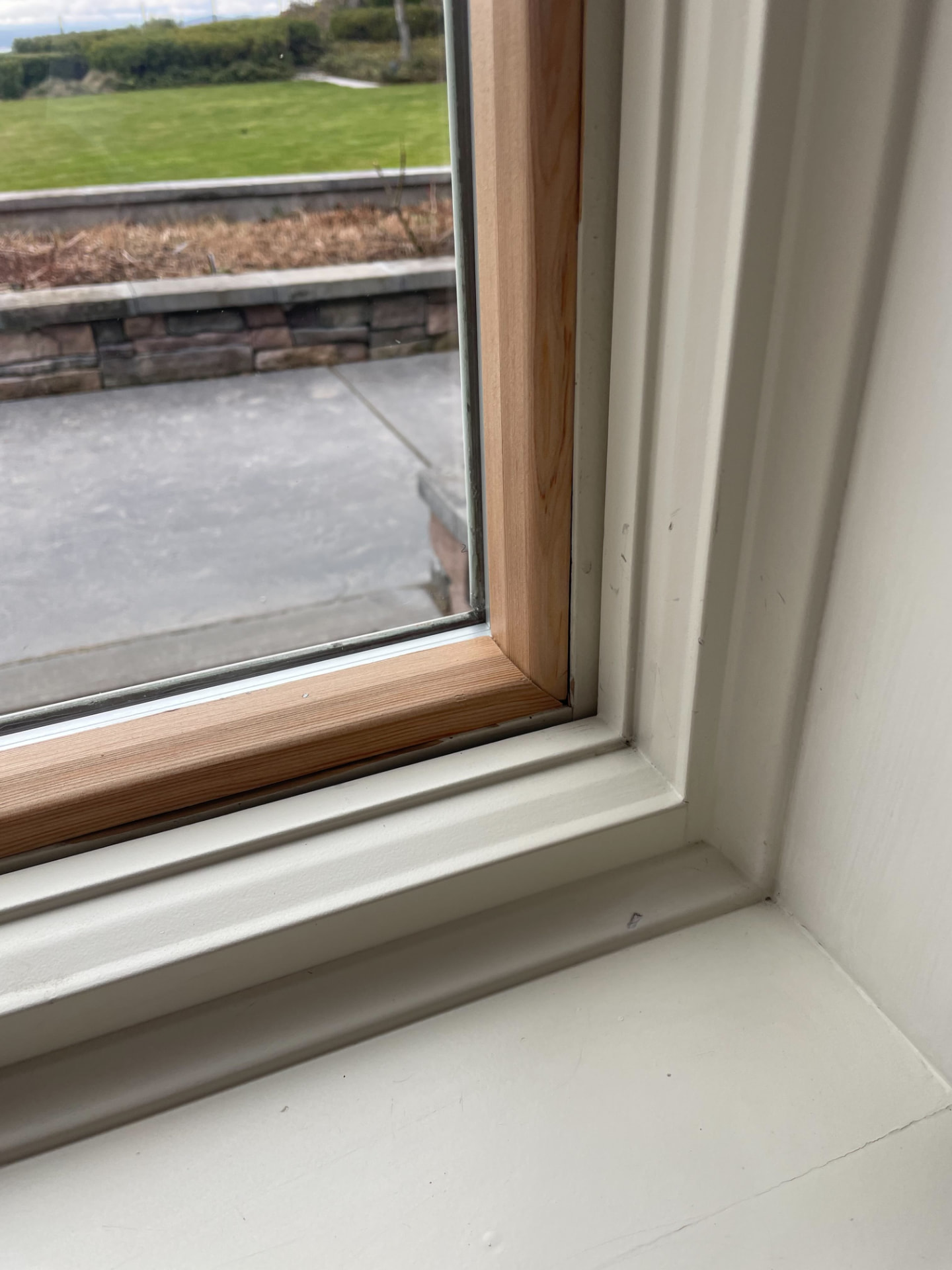
Interior fir and painted casing left entirely undisturbed. No trim removal, no drywall patching, no repaint of the room.

Douglas fir jamb

Interior fir and painted casing left entirely undisturbed. No trim removal, no drywall patching, no repaint of the room.

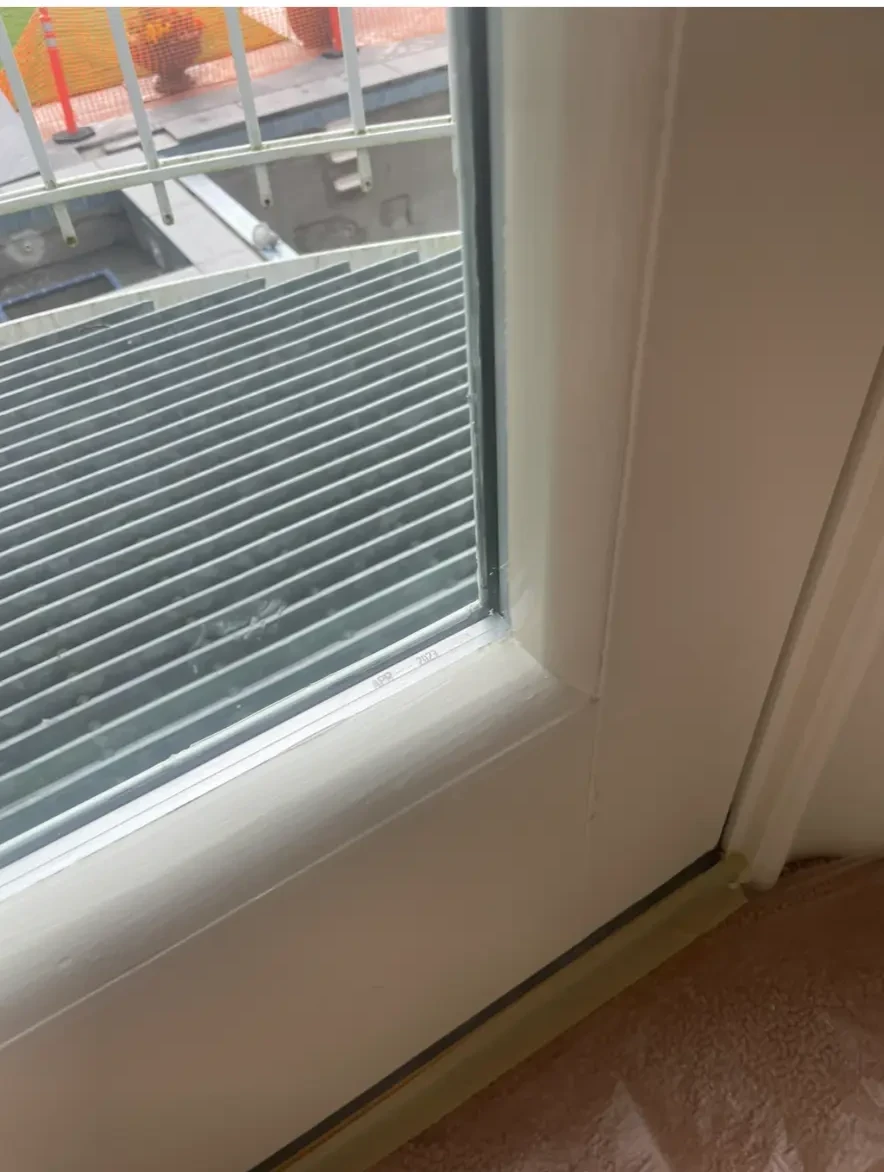
Finished interior jamb and sill of a completed opening. From inside the room there is no evidence that any work occurred.

Interior jamb

Finished interior jamb and sill of a completed opening. From inside the room there is no evidence that any work occurred.

A restored casement after hardware adjustment and weatherseal renewal — closing on its full compression seal again.

Operating casement

A restored casement after hardware adjustment and weatherseal renewal — closing on its full compression seal again.

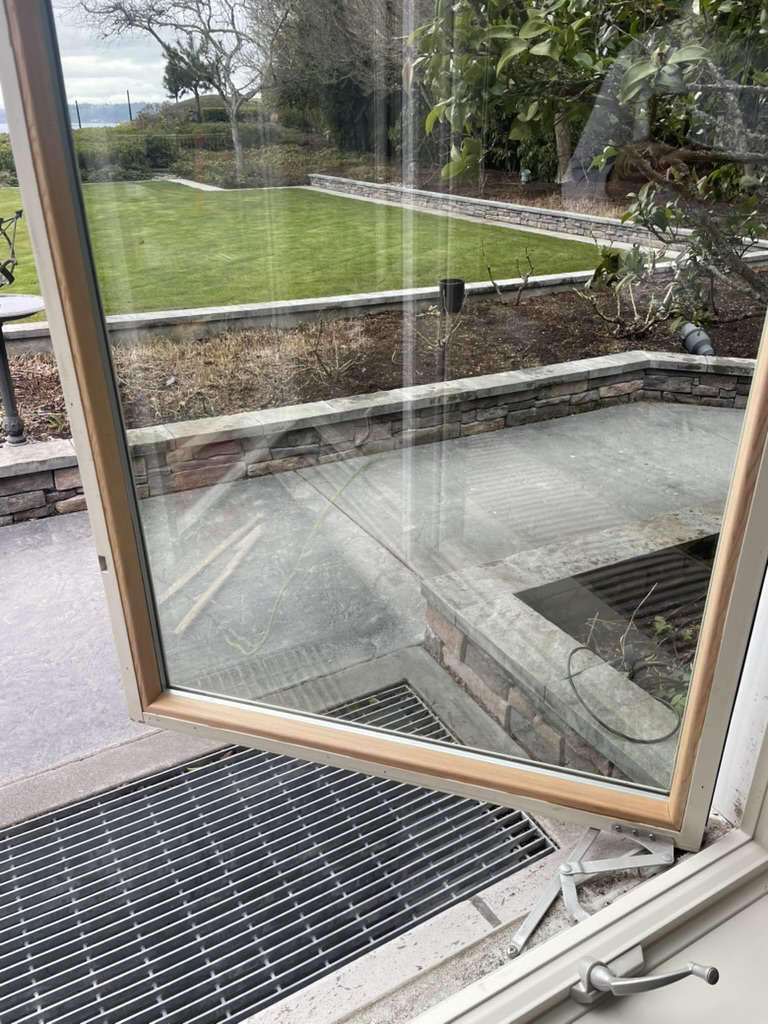
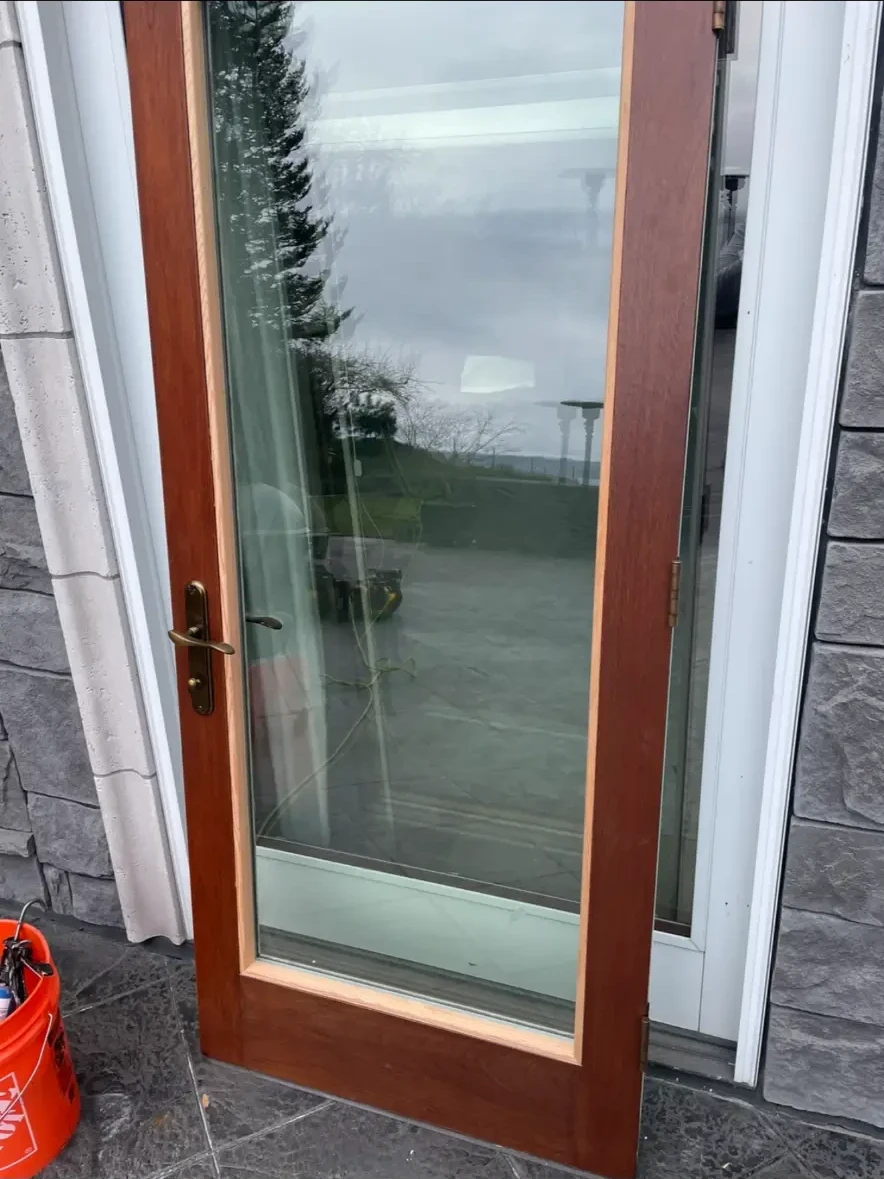
Full finish restoration on a mahogany entry unit with new insulated glazing, photographed before rehanging.

Mahogany entry door

Full finish restoration on a mahogany entry unit with new insulated glazing, photographed before rehanging.

FAQ Center

55 questions, answered plainly.

A searchable reference covering restoration methods, glass science, wood behavior, performance, and maintenance.

What exactly is window restoration?

Restoration keeps the original frame and sash, repairs what has failed, and upgrades performance components such as glass and weatherstripping. Replacement discards the entire assembly.

How is restoration different from repair?

Repair addresses one failure. Restoration returns the whole assembly — wood, glass, hardware, seals, and finish — to a documented performance standard.

Can any wood window be restored?

Most can. The deciding factor is how much sound wood remains in the frame and whether the profile can be reproduced.

How long does restoration take per window?

Shop work is typically several days per sash, with cure times for adhesives and finishes driving most of the schedule.

Do I have to leave my home during the work?

No. Openings are secured with temporary glazing whenever a sash is out.

When you're ready

Read first. Decide second. Talk to us third.

We would rather you arrive at a conversation already knowing what a warm-edge spacer does and why your bottom rail failed before the glass did. When that point comes, our specialists are here.

Speak with a restoration specialist